- "よさこい"で世界を一つに!


Most British casinos give better-notch pc websites you have access to using your browser
2026年5月29日Always, when you sign up with your chosen internet casino, you obtain the brand new totally free revolves immediately
2026年5月29日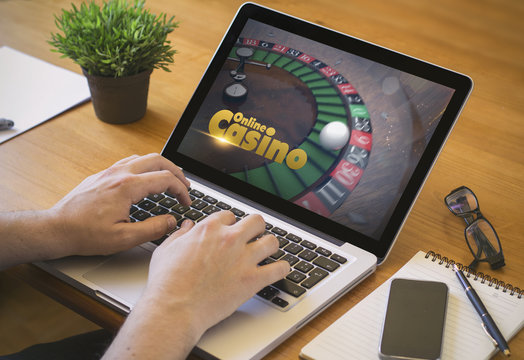
Casino Digital Trends – Innovation Meets Emotion
| Table Of Contents |
| Casino Digital Trends Overview |
| Player Experience And Emotion |
| Payments Registration And Bonuses |
| Designing For Trust And Safety |
| FAQ |
The modern casino is no longer just neon lights and clinks of coins, it’s a complex digital ecosystem where technology and psychology dance together. Some players want speed and simplicity, others crave spectacle. For those who want to skip lengthy sign-ups, there are options like online casino no registration, which speaks to a broader trend: removing friction without removing personality.
Look around and you’ll see machine learning curating games, chatbots greeting new players, and streaming features that make an online slot almost social. It is innovation, yes, but it is also emotional design—interfaces created to feel familiar, to reward, to reassure. I find that part fascinating, perhaps because it mirrors how we build friendships, slowly and with a few well-timed surprises.
Player Experience And Emotion
Player experience has expanded beyond user interfaces into tone of voice, soundscapes, and pacing. Game studios treat a spin like a micro-story, complete with rising tension and payoff. When a reel lines up just right, the audio swell, the confetti, the little animation — those are emotional cues. They matter.

A personal note: I once played a demo slot while writing a review, and I admit, I got sucked in for longer than planned. Not because the odds were better, obviously not, but because the game made me feel like I was making progress, and progress is addictive in itself. That design, ethical questions aside, is brilliant.
Emotional Hooks
Hooks can be narrative, social, or sensory. Progressive jackpots provide long-term hope, tournaments create friendly rivalry, and personalized recommendations suggest games that “get you.” It feels a little like dating, actually — show basic compatibility, then wow with the details.
Responsible Play
And then there is the responsibility piece. Emotional design can nudge people toward poor choices, so trustworthy platforms embed cool-downs, limit tools, and clear self-exclusion paths. The smartest casinos balance delight with guardrails, because long-term engagement beats a quick thrill that burns players out.
Payments Registration And Bonuses
Payments and registration are practically design problems. Fast onboarding reduces drop-off, but security is non-negotiable. Many operators now offer instant verification via ID checks, or pay-by-wallet to streamline deposits and withdrawals. Bonuses are evolving, too, from flat match offers to bespoke rewards that react to play style.
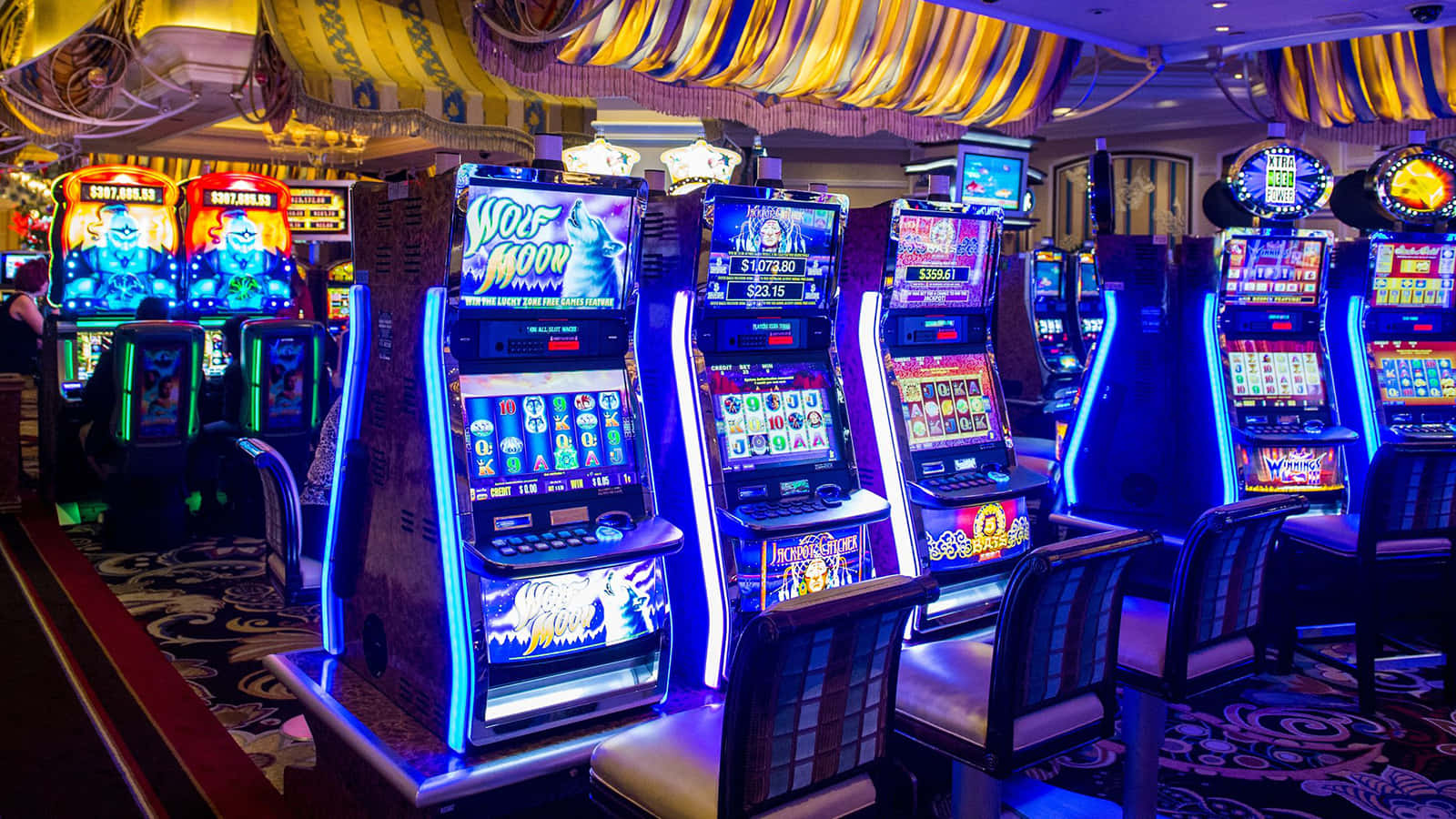
I’ve seen welcome packs that feel like a personal offer, tailored for slots fans or table-game newcomers. That personalization increases perceived value. On the flip side, it makes the fine print more important than ever; transparency is what keeps players trusting a platform after the welcome fade.
Designing For Trust And Safety
Trust is architecture plus tone. Clear transaction histories, visible licensing badges, and proactive customer support all signal legitimacy. But design language — the way messages are phrased, the responsiveness of chat — also signals care or indifference. Players pick up on it almost subconsciously.
Good platform reviews, independent audits, and consistent payouts create a backdrop for experimentation. When a player feels safe, they’re more likely to try a new game mechanic or engage longer. Apparently small things, like how a notification frames a loss, can influence whether a person walks away or stays.
Technologies like blockchain and verified RNGs are part of the solution, though they are not magic. Real responsibility is cultural; it lives in product roadmaps and in how customer issues are resolved. And sadly, not every operator embraces that, which is why reviews and third-party checks remain valuable.
FAQ
Q: Will the human touch disappear as casinos automate more? Maybe, though I think automation will free humans to do more creative, empathetic work. The best platforms will combine automation for routine tasks and humans for nuance. Q: Are bonuses still meaningful? Yes, but the ones that last are relevant and transparent. And Q: Is emotional design manipulative? It can be, unless paired with responsible practices.
In short, the next wave of online casinos will be less about raw novelty and more about subtlety: subtle personalization, subtle safety nets, subtle rewards. That shift makes the industry more interesting to watch, and a little friendlier to players. I don’t mean to be overly optimistic, but it’s a direction that feels like progress.